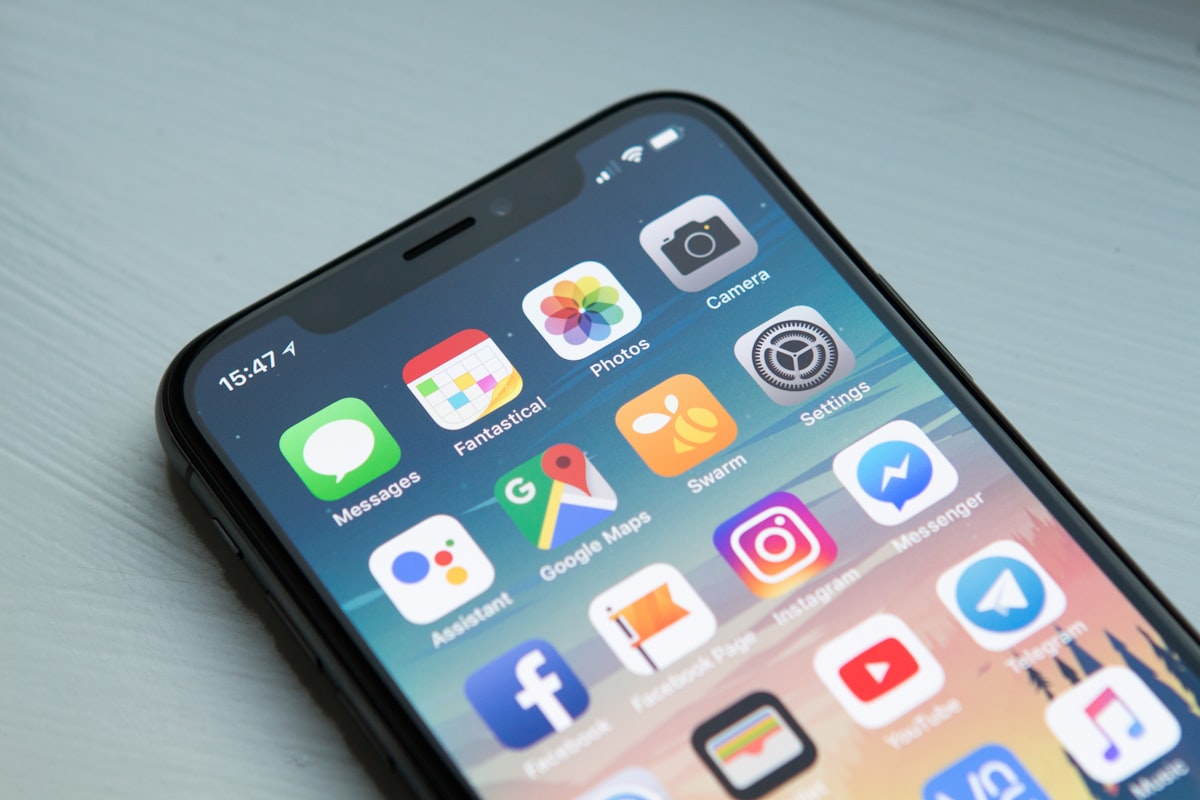
The right app can transform your financial life. Research consistently shows that people who track their spending save 20% more than those who don't. In 2026, there's an app for every style — from totally automated to hands-on budgeting.
We tested dozens of apps over 6 months. Here are the 7 best money saving apps in 2026, ranked by usefulness for real people.
🥇 #1 — YNAB (You Need A Budget)
Best for: Serious budgeters who want to change their financial habits
YNAB uses "zero-based budgeting" — every dollar gets a job. Users report saving an average of $600 in their first 2 months.
| Feature | Detail |
|---|---|
| Cost | $14.99/month or $99/year (34-day free trial) |
| Platforms | iOS, Android, Web |
| Bank Sync | Yes — automatic |
| Best Feature | Rule-based budgeting that changes your mindset |
⭐ Rating: 9.5/10 — Best overall budgeting app despite the cost.
🥈 #2 — Mint (Free)
Best for: Beginners who want a free, all-in-one overview
Mint automatically categorizes your spending, tracks bills, and shows your net worth — all for free. Perfect starting point for anyone new to budgeting.
| Feature | Detail |
|---|---|
| Cost | Free |
| Platforms | iOS, Android, Web |
| Bank Sync | Yes — automatic |
| Best Feature | Automatic spending categorization + bill reminders |
⭐ Rating: 8.5/10 — Best free option, slightly limited for advanced users.
🥉 #3 — Acorns
Best for: Passive investing with spare change
Acorns rounds up every purchase to the nearest dollar and invests the difference. Spend $4.37 on coffee → $0.63 goes into your investment portfolio automatically.
| Feature | Detail |
|---|---|
| Cost | $1–$5/month |
| Minimum | $5 to start |
| Best Feature | Round-up investing — you barely notice the savings |
| Portfolios | 5 risk levels — automatic rebalancing |
⭐ Rating: 8/10 — Great for beginners who struggle to invest manually.
#4 — Personal Capital (Empower)
Best for: Tracking net worth and investment accounts
Personal Capital (now Empower) connects all your accounts — bank, investments, retirement — and gives you a complete financial picture. The free version is outstanding for tracking wealth.
- Free basic version available
- Investment fee analyzer (finds hidden fees)
- Retirement planner built-in
- Net worth tracking dashboard
⭐ Rating: 8/10 — Best for investors with existing portfolios.
#5 — Digit
Best for: People who struggle to save manually
Digit analyzes your spending patterns with AI and automatically moves small amounts (typically $5–$50) from your checking account into savings — at exactly the right times so you never overdraft.
Cost: $5/month | ⭐ Rating: 7.5/10
#6 — PocketGuard
Best for: People who overspend impulsively
PocketGuard shows you exactly how much money you have available to spend after bills, expenses, and savings goals. It's a simple "can I afford this?" tool that prevents overspending.
Cost: Free (Plus at $12.99/month) | ⭐ Rating: 7.5/10
#7 — Goodbudget
Best for: Couples managing a shared budget
Goodbudget uses the digital "envelope method" — you allocate money into virtual envelopes for each spending category. Syncs between partners in real time, making it perfect for couples.
Cost: Free (Plus at $8/month) | ⭐ Rating: 7/10
Quick Comparison: All 7 Apps
| App | Cost | Best For | Rating |
|---|---|---|---|
| YNAB | $99/year | Serious budgeters | ⭐ 9.5 |
| Mint | Free | Beginners | ⭐ 8.5 |
| Acorns | $1–5/mo | Passive investing | ⭐ 8 |
| Empower | Free | Investment tracking | ⭐ 8 |
| Digit | $5/mo | Auto-savers | ⭐ 7.5 |
| PocketGuard | Free | Impulse spenders | ⭐ 7.5 |
| Goodbudget | Free | Couples | ⭐ 7 |
🎯 Our Recommendation
If you're completely new: start with Mint (free). Once you're tracking consistently, upgrade to YNAB for deeper control. Add Acorns if you also want to automate investing.